
Why Romance Is Not a Guilty Pleasure
What Love Stories Reveal about the Human Heart

Series: AUDIENCE CLARIFICATION
— The Readers behind My Stories —
July 29, 2026 | 14-minute read
Few genres receive as much eye-rolling as romance.
Mention that you’re reading a mystery and people nod approvingly.
Mention a thriller and they’ll ask for recommendations.
Mention literary fiction and suddenly everyone becomes very impressed.
But mention romance?
That’s where things get interesting.
For some reason, romance has earned a reputation as the literary equivalent of junk food—something people secretly enjoy but feel obligated to apologize for afterward.
I’ve never understood that.
Not because every romance novel is a masterpiece.
But because romance is often judged according to its most stereotypical examples.
Nobody judges all science fiction by its weakest novel.
Nobody judges all mysteries by their least memorable detective.
Yet romance is frequently evaluated by the literary equivalent of a supermarket tabloid.
I think the genre deserves better than that.
Because at its best, romance isn’t merely about attraction.
It’s about hope.
Romance Speaks to Something Every Human Being Wants
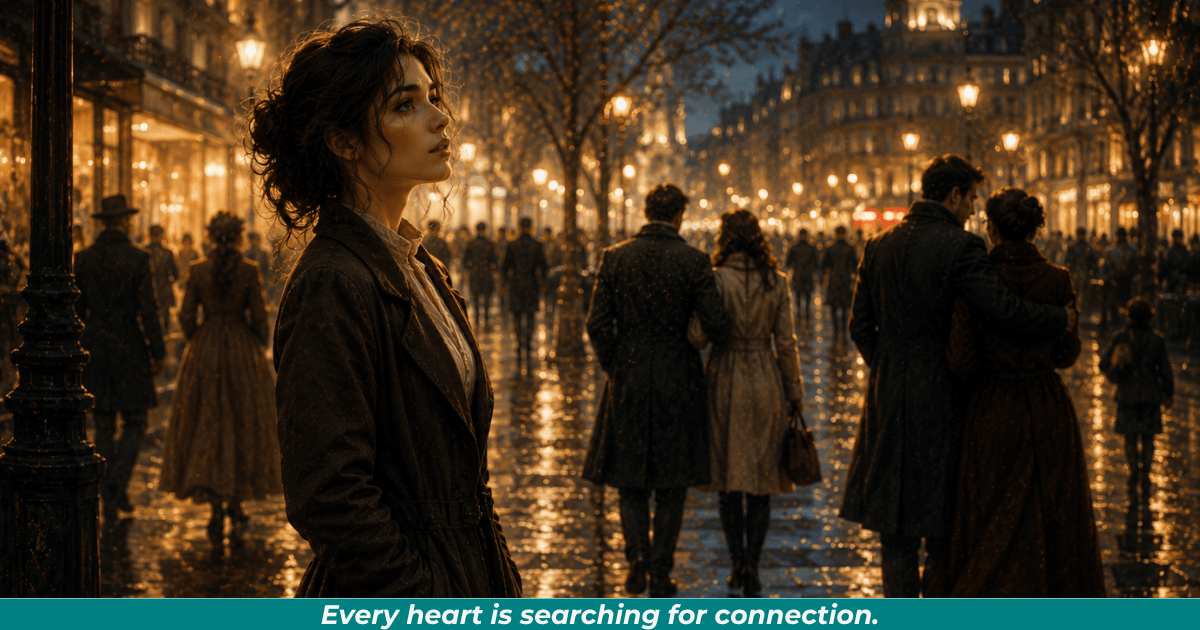
One reason romance continues thriving generation after generation is simple:
People want to be loved.
The Desire beneath the Desire
When we look beneath the surface, most people aren’t merely searching for romance.
They’re searching for:
acceptance,
belonging,
companionship,
understanding,
safety,
and connection.
Love simply becomes the umbrella beneath which many of those desires gather.
That isn’t weakness.
It’s humanity.
Why Romance Never Goes Away
Cultures change. Technology changes. Fashion changes.
But people don’t.
We still want someone who sees us. Understands us. Chooses us.
And remains.
As long as human beings long for those things, romance stories will continue to matter.
Great Romance Is about More Than Attraction
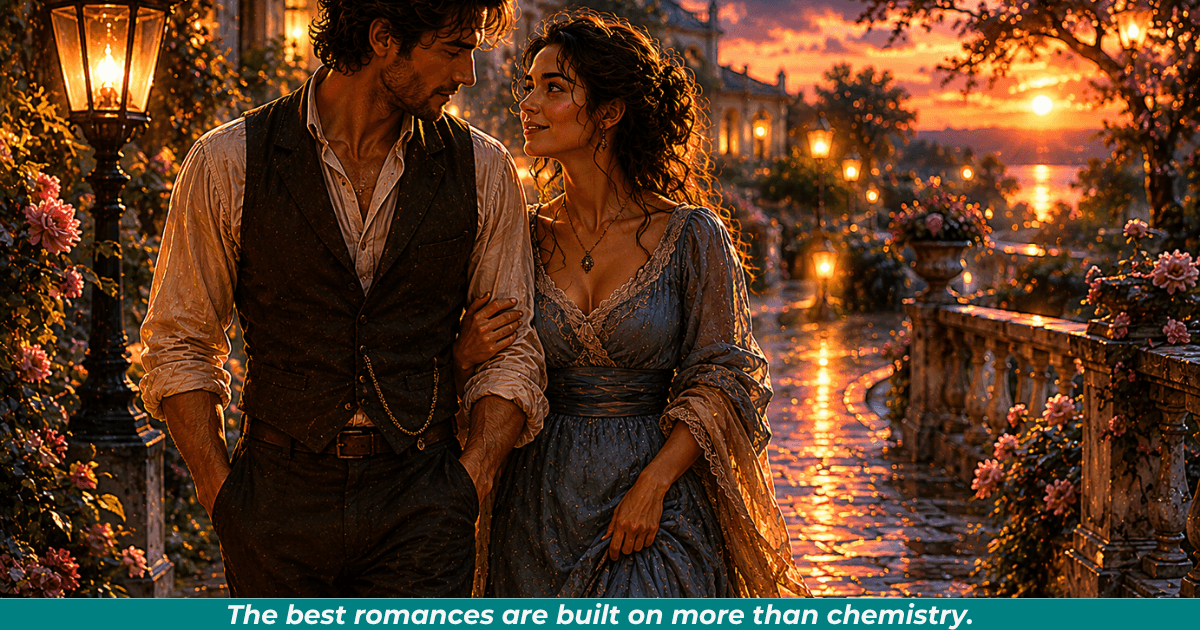
Critics often reduce romance novels to attraction.
But the stories readers remember most usually offer far more.
The Dance Readers Fall in Love With
Most romance novels follow familiar rhythms.
A meeting. A misunderstanding. A growing connection. Conflict. Reconciliation. Commitment.
On paper, it sounds simple.
But so does music.
The magic isn’t found in the notes themselves.
It’s found in how they’re arranged.
That’s why two romance novels can share similar tropes and still feel completely different.
Why We Keep Turning Pages
Readers aren’t merely waiting for a kiss.
They’re waiting for transformation.
They want to see wounded people heal.
Proud people humble themselves.
Fearful people become brave.
Broken relationships restored.
The romance matters.
But so does everything that happens along the way.
Romance Gives Readers Hope
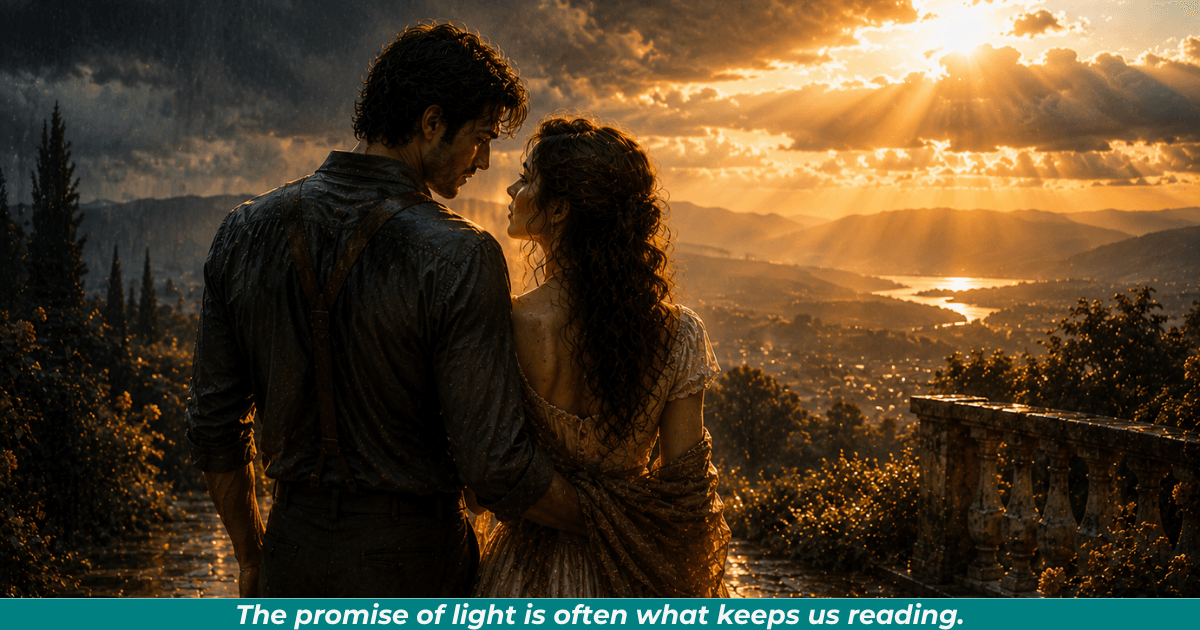
I think this may be the most overlooked aspect of romance.
Hope.
Happy Endings Matter
Some critics dismiss happy endings as unrealistic.
I disagree.
Happy endings remind us that suffering doesn’t always get the final word.
That mistakes can be forgiven.
That healing is possible.
That reconciliation can happen.
And sometimes readers need that reminder.
Why Readers Return Again and Again
The world offers plenty of cynicism.
Plenty of disappointment.
Plenty of reasons to give up.
Romance offers something different.
It reminds us that even imperfect people can find love, healing, and happiness.
That doesn’t feel unrealistic to me.
It feels necessary.
There Is Nothing Guilty about Wanting Love
At the end of the day, I think the phrase “guilty pleasure” says more about our culture than it does about romance novels.
Why Readers Should Never Apologize
If reading romance brings joy, hope, comfort, encouragement, or emotional renewal, why apologize for that?
There is no shame in loving stories about people finding happiness.
There is no shame in believing relationships matter.
And there is certainly no shame in wanting to see love win.
What Romance Is Really About
Romance isn’t ultimately about obsession.
Or fantasy.
Or escape.
At its best, romance is about the belief that people matter.
That love matters.
That relationships matter.
And that even in a broken world, something beautiful is still worth pursuing.
Next time: Tomorrow, we’ll celebrate Paperback Book Day with a special post honoring one of my favorite ways to read—because there’s just something special about holding a physical book in your hands.
On Saturday, another special post honoring August’s Romance Awareness Month. And then on Sunday, we honor National Coloring Book Day.
This truly is one of my favorite months.
Do you think romance novels get an unfair reputation?
And what is your favorite love story—whether it’s a book, movie, television series, or even your own real-life story?
I’d love to hear your thoughts in the Comments section below.
Related Topics: Why Readers Love Romance • Hope in Fiction • Emotional Healing through Stories • Happy Endings Matter • Love Stories through History • Character Transformation • The Psychology of Reading • Why Stories Connect Us
* NOTE: Whether I’m writing under A.J. Strickland, Alicia Jane, H.R. Crittenden, or even weaving relationships into my children’s stories, love remains one of the most powerful forces shaping the human experience.
That’s why romance continues appearing in nearly every genre imaginable.
Not because readers are shallow.
Because they’re human.
All images courtesy of ChatGPT.

Alicia Strickland
Hi! I write across multiple genres under various pen names. But for nonfiction, I write as myself.
As a designer with a love of Old Hollywood and all things creative, I bring diverse perspectives to my storytelling... and to my blog.
In the unlikely event that I’m not writing, I enjoy crafting, gardening, or spending time with my flame-point Siamese, Hunter.
Want to stay updated? Sign up for my newsletter (below 👇) to receive exclusive content and be the first to hear about new releases!
YOU MIGHT LIKE

Jan 08, 2025
Jan 08, 2025
POPULAR POSTS
By Alicia Strickland on February 14, 2025

By Alicia Strickland
Jan. 05, 2025
REVIEWS

Jan 15, 2025
Dec 29, 2024
Jan 20, 2025
Feb 14, 2025

Crafting passionate tales for adult hearts and creating magical worlds for young minds!
Stay in touch!
Click “subscribe” to get weekly newsletter updates on all BBA news and books.
©️ 2026 booksbyalicia.com