
Writing Trauma Responsibly
Why Hope Matters More Than Pain

Series: LOVE, FAITH, & FICTION
— Exploring the Themes That Shape My Stories —
August 19, 2026 | 13-minute read
Stories have always explored difficult subjects.
From ancient myths to modern novels, characters face loss, betrayal, fear, abuse, grief, heartbreak, injustice, and countless other challenges.
As writers, we often place our characters in painful situations because conflict is necessary for growth. Without obstacles, there is no story.
Yet somewhere along the way, some writers seem to have gotten the idea that readers want more trauma.
The more devastating the experience, the more powerful the story.
The darker the content, the deeper the meaning.
Personally, I don’t think that’s true.
While hardship can make a story powerful, trauma should never exist merely for shock value. Readers aren’t turning pages because they enjoy watching people suffer. They’re turning pages because they want to see what happens next. They want to know whether the character can endure, overcome, heal, or find meaning on the other side of the pain.
That’s why I believe writers have a responsibility when handling traumatic subjects. If we’re going to lead readers into dark places, we should also offer them a reason to keep going.
We should show them there is still light somewhere ahead.
Not necessarily a perfect ending.
But hope.
When Trauma Becomes Entertainment
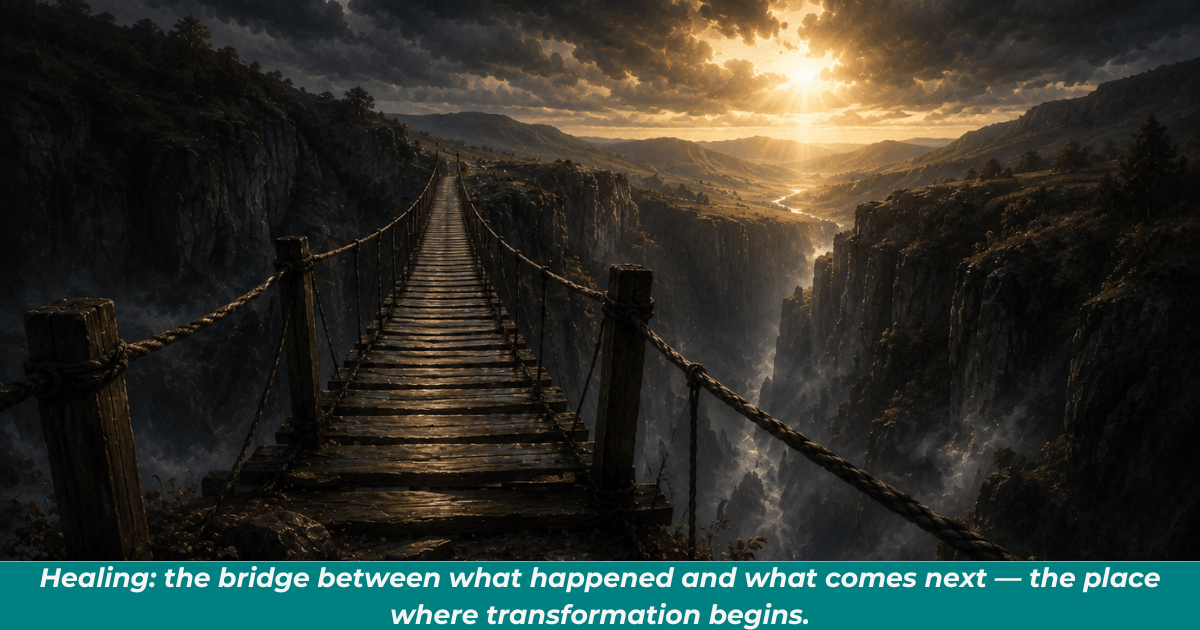
Conflict is essential to storytelling, but trauma and conflict aren’t the same thing.
A character losing a job creates conflict. A misunderstanding between friends creates conflict. A difficult decision creates conflict.
Trauma, however, involves wounds that cut far deeper—experiences that can alter the way a person sees themselves, others, and the world around them.
Because trauma carries such emotional weight, it can be tempting for writers to lean heavily on it.
Sometimes stories seem to pile tragedy upon tragedy, as though suffering itself is what makes a story meaningful.
But what’s actually interesting is how a character responds to that wound.
The story isn’t the injury. The story is the recovery. Or the struggle toward recovery. Or the decision to take the first step toward healing.
That’s where readers connect emotionally.
More Pain Doesn’t Automatically Create More Depth
A traumatic event can certainly shape a character. But simply increasing the amount of suffering doesn’t automatically make a story more profound.
One of the most common mistakes writers make is assuming that increasing a character’s suffering automatically increases a story’s emotional impact.
It doesn’t.
Readers don’t measure depth by body count, tragedy count, or trauma count.
They measure it by emotional truth.
A single painful experience explored honestly can be far more powerful than a dozen tragedies piled on top of one another.
Readers connect with characters because of their humanity, not because of the number of terrible things that happen to them.
When trauma is included solely to shock readers or provoke a reaction, it can begin to feel less like storytelling and more like spectacle.
What gives trauma meaning within a story isn’t the wound itself.
It’s what the character does afterward.
Readers Want Meaning, Not Misery
Every difficult experience in a story should serve a purpose.
Does it reveal character? Does it challenge a belief? Does it create an opportunity for growth? Does it deepen relationships?
If the answer is no, the traumatic event may exist only for its own sake.
And readers can often tell the difference.
Most readers already know life can be hard.
They don’t need fiction to convince them of that fact.
What they’re looking for is meaning.
They’re looking for reassurance that pain isn’t the whole story.
They’re looking for characters who remind them that hardship can be survived, that broken things can heal, and that darkness doesn’t last forever.
A powerful story doesn’t ask us to admire the darkness.
It asks us to watch someone find their way through it.
That’s what stays with readers long after the final page.
Readers Need More Than Darkness
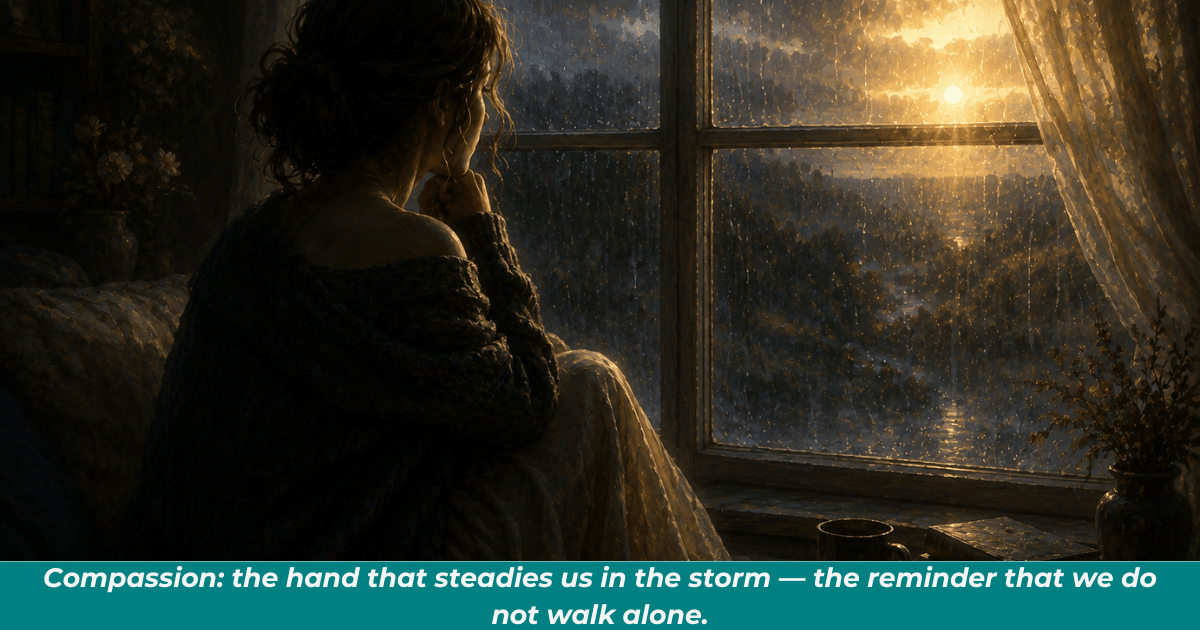
I actually don’t read many books that deal heavily with trauma.
And when I do encounter it, there’s something that often frustrates me.
Sometimes authors take readers deep into a character’s suffering but never show them working through it.
There’s no healing. No help. No growth. No indication that things can ever improve.
The story simply leaves the character sitting in the darkness.
As a reader, I find that deeply unsatisfying.
Not because life always provides neat endings.
But because stories should move.
Characters should move.
Even if they haven’t fully healed by the final page, I want to see them taking steps toward something better.
Pain Is Part of Life
Readers don’t expect stories to avoid difficult subjects.
In fact, some of the most memorable stories ever written contain tremendous suffering.
Pain can reveal character. It can expose weaknesses. It can test convictions. It can deepen relationships.
When handled honestly, difficult experiences can make stories feel profoundly human.
But Movement Matters
What moves me most isn’t the trauma itself.
It’s seeing a character begin to rise. Seeing them ask for help. Seeing them choose forgiveness. Seeing them take one small step forward after believing they never could.
Healing rarely happens overnight.
But readers need evidence that healing is possible.
Even a glimpse of light can make a difficult journey worth taking.
Hope Is Part of Responsible Storytelling
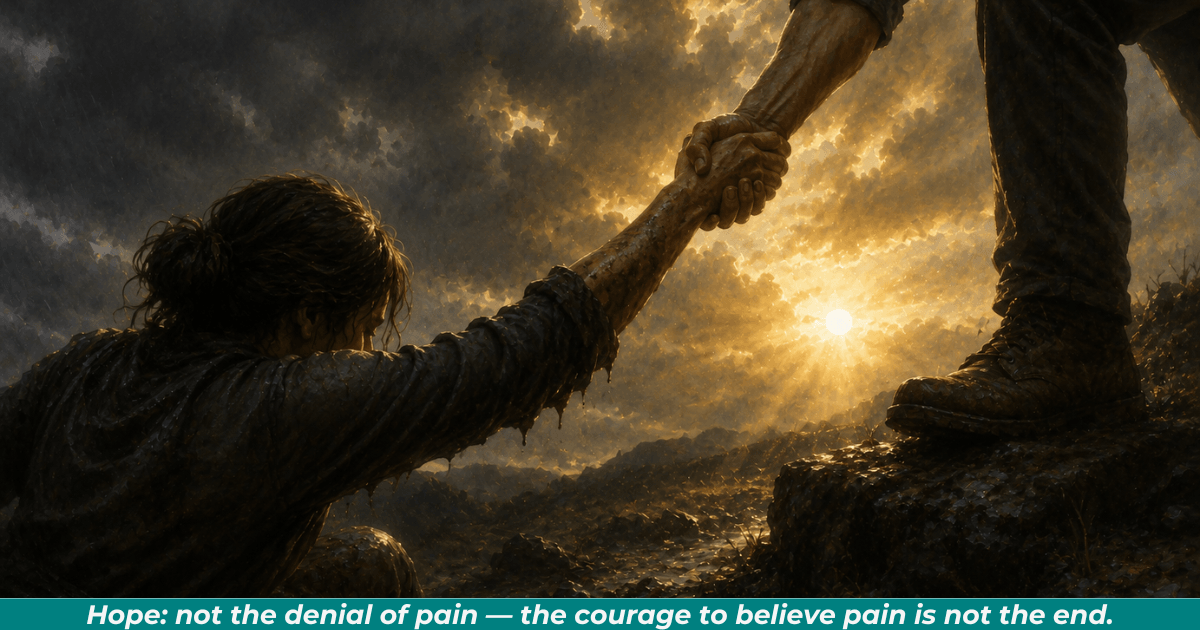
I believe storytellers carry a responsibility when writing about trauma.
Not because every book must teach a lesson. Not because every ending must be perfect. And certainly not because every story must tie every problem into a neat little bow.
But because readers bring their own wounds to every book they open.
Some readers have experienced the very things we’re writing about.
Others may be experiencing them right now.
That’s worth remembering.
Readers Are Human Beings, Not Spectators
When readers connect deeply with a character, they don’t observe the story from a distance.
They experience it alongside them. They celebrate victories. They mourn losses. They carry heartbreak.
That’s one of fiction’s greatest strengths.
But it also means writers should approach traumatic subjects with care rather than treating them as entertainment.
Show the Light at the End of the Tunnel
I don’t believe every character must completely overcome their trauma before the story ends.
Life doesn’t always work that way.
Sometimes healing is a long journey.
Sometimes recovery happens one step at a time.
But I do think readers should see hope.
If not complete restoration, then the possibility of restoration.
If not total healing, then evidence that healing can begin.
Because sometimes seeing a fictional character find their footing again can help a real person believe they can do the same.
A Personal Example
One reason this matters to me is because it’s something I consciously considered while writing Unconditional Love.
Querida carries significant emotional wounds into that story.
But I never wanted her trauma to define her.
More importantly, I never wanted trauma to be the point.
The story isn’t about suffering for suffering’s sake.
It’s about healing. Faith. Love. Restoration.
The difficult experiences matter because of where they ultimately lead.
The Stories That Stay with Us
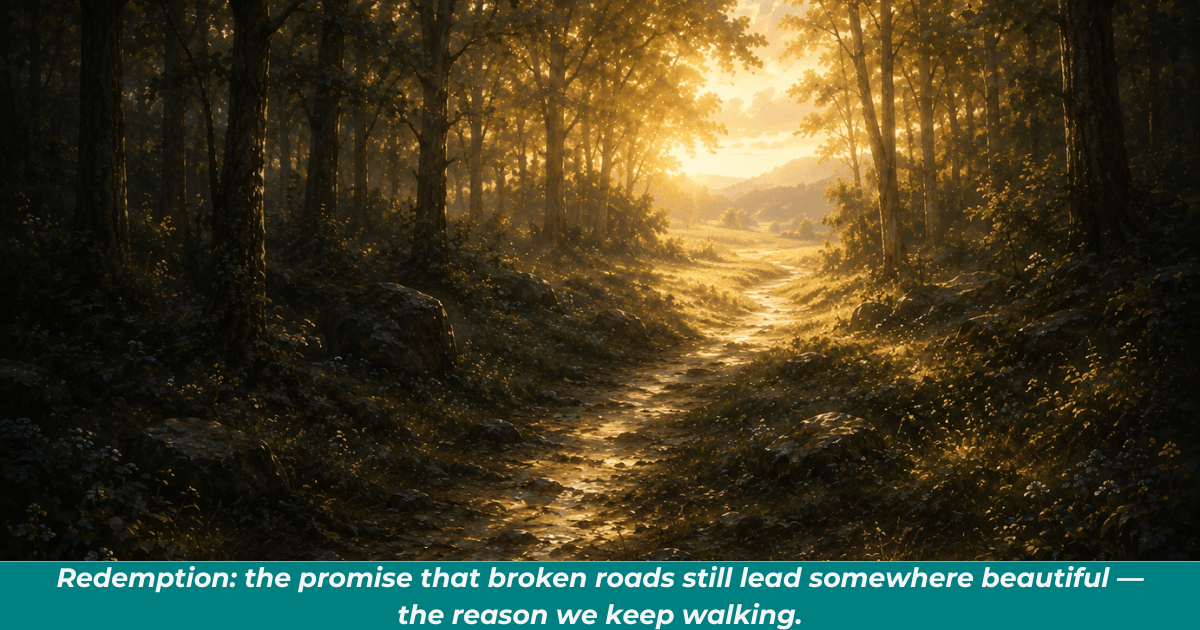
When trauma is handled well, readers don’t remember the suffering most.
They remember the transformation. They remember the courage. They remember the resilience. They remember the moment a character chose to keep going.
That’s what moves us. That’s what stays with us.
The stories that affect me most aren’t the ones that leave characters broken.
They’re the ones that show people finding their way back from brokenness.
Those are the stories that bring tears to my eyes.
Not because they ignore pain.
But because they acknowledge pain while refusing to surrender to it.
The Stories That Bring Tears
The stories that affect me most aren’t the ones that leave characters broken.
They’re the ones that show people finding their way back from brokenness.
Those are the stories that bring tears to my eyes.
Not because they ignore pain.
But because they acknowledge pain while refusing to surrender to it.
Why Redemption Resonates
Perhaps that’s why redemption stories have endured for so long.
Deep down, I think most of us want to believe that mistakes don’t have the final word.
That loss doesn’t have the final word.
That trauma doesn’t have the final word.
That darkness doesn’t have the final word.
We want to believe healing is possible.
And when a story reminds us of that truth, it becomes something more than entertainment.
It becomes encouragement.
When It’s All Said and Done
As writers, we’re entrusted with something precious.
Readers invite us into their hearts for a few hours and trust us to guide them through the story we’ve created.
If we’re going to walk them through darkness, we should also do our best to show them where the light can be found.
Not because life is easy. Not because every wound heals quickly.
But because hope matters.
And sometimes hope is exactly what a reader needs most.
Next time: Next week, we’ll continue our Love, Faith, & Fiction series with “Why Redemption Stories Resonate.”
We’ll explore why stories of forgiveness, second chances, and personal transformation continue to capture readers’ hearts generation after generation.
How do you feel about trauma in fiction?
Do you think writers have a responsibility to offer hope when tackling difficult subjects, or should stories simply reflect reality however bleak it may be?
I’d love to hear your thoughts in the Comments section below.
Related Topics: Trauma in Fiction • Character Healing • Redemption Stories • Emotional Truth in Storytelling • Writing Difficult Subjects • Christian Fiction Themes • Hope in Fiction • Character Growth
* NOTE: One of my own novels, Unconditional Love, explores the healing journey of a woman carrying deep emotional wounds. If you’d like to learn more about Querida and Xavier’s story, click here.
All images courtesy of ChatGPT.

Alicia Strickland
Hi! I write across multiple genres under various pen names. But for nonfiction, I write as myself.
As a designer with a love of Old Hollywood and all things creative, I bring diverse perspectives to my storytelling... and to my blog.
In the unlikely event that I’m not writing, I enjoy crafting, gardening, or spending time with my flame-point Siamese, Hunter.
Want to stay updated? Sign up for my newsletter (below 👇) to receive exclusive content and be the first to hear about new releases!
YOU MIGHT LIKE

Jan 08, 2025
Jan 08, 2025
POPULAR POSTS
By Alicia Strickland on February 14, 2025

By Alicia Strickland
Jan. 05, 2025
REVIEWS

Jan 15, 2025
Dec 29, 2024
Jan 20, 2025
Feb 14, 2025

Crafting passionate tales for adult hearts and creating magical worlds for young minds!
Stay in touch!
Click “subscribe” to get weekly newsletter updates on all BBA news and books.
©️ 2026 booksbyalicia.com